How to Earn Passive Income With Crypto: 7 Methods Explained

Bu sayfada
Bu sayfada
- What Is Passive Income With Crypto?
- Best Ways to Earn Passive Income With Crypto
- Copy Trading Pros and Cons
- Staking Pros and Cons
- Bot Trading Pros and Cons
- Liquidity Farming Pros and Cons
- Crypto Lending Pros and Cons
- Crypto Savings Accounts Pros and Cons
- Dividend-Earning Tokens Pros and Cons
- How Much Can You Earn?
- Risks of Crypto Passive Income
- Is Crypto Passive Income Worth It?
- Bottom Line
- FAQs
- Passive crypto income requires minimal daily involvement after the initial setup.
- Staking, lending, and savings accounts are common ways to earn crypto rewards.
- Copy trading and bot trading automate trades but still carry market risk.
- Higher reward rates often come with greater platform, token, or protocol risk.
Crypto does not only offer returns when prices rise or when you are actively trading. Many holders put their assets to work through staking, lending, copy trading, automated bots, liquidity pools, and other arrangements that can generate returns over time.
These methods vary greatly. Some simply involve depositing crypto and collecting periodic rewards, while others rely on market conditions, third-party platforms, or more complex DeFi systems. The returns can look attractive, but they are never guaranteed, and the risks are different in every case.
This article breaks down the main ways to earn passive income with crypto, how each method works, and what you should understand before putting your funds into one.
What Is Passive Income With Crypto?
Passive income with crypto means earning from your funds with minimal day-to-day involvement. You set up the arrangement, deposit your crypto or capital, and then check how it is performing instead of managing every move yourself. This could mean staking tokens, lending assets, funding a liquidity pool, or allowing a bot or trader to operate under the setup you selected.
That said, passive does not mean completely hands-off. Crypto markets move quickly, reward rates change, and a method that made sense a few months ago may no longer suit current conditions. It helps to understand the market and your setup well enough to know when to pause, continue, or move funds elsewhere.
Many people also treat trading as a form of passive income, but it is not. It requires regular attention, market knowledge, decision-making, and active monitoring, rather than simply putting funds into a setup and letting it run.
Best Ways to Earn Passive Income With Crypto
There are several ways to earn passive income with crypto, but they do not all require the same level of involvement. Some only need an initial deposit and occasional checks, while others need a little more setup or monitoring to work properly. As we go through each method, our main focus is on how hands-off it really is, what it takes to get started, and the risks attached to it. Mining is excluded from these seven methods because hardware, electricity, cooling and maintenance make it an operating business rather than a simple deposit-and-earn arrangement. The risk labels below are broad comparisons; the chosen asset and provider can change the risk substantially.
| Method | Risk Level | Starting Cost | Ongoing Involvement |
|---|---|---|---|
| Copy Trading | High | Flexible | Low |
| Staking | Low to Medium | Flexible | Low |
| Bot Trading | High | Flexible | Low |
| Liquidity Farming | High | Flexible | Low |
| Crypto Lending | Medium | Flexible | Very Low |
| Crypto Savings Accounts | Medium | Flexible | Very Low |
| Revenue Share Tokens | High | Flexible | Very Low |
1. Copy Trading

Best For: Hands-off market exposure
Difficulty: Easy
Copy trading allows you to automatically mirror another trader’s positions in your own account. After choosing a trader and deciding how much capital to allocate, their buy and sell activity is copied without you placing every order yourself. The best copy trading exchanges usually show a trader’s return history, drawdowns, follower count, assets traded, and risk score, so you can understand how they have performed before copying them.
This makes it a passive way to participate in trading, but not a risk-free one. If the trader loses money, your account follows the same outcome based on the amount you allocated.
Copy Trading Pros and Cons
Beğendiğimiz yönler
- Trades copy automatically
- No manual order placement
- Flexible starting amount
Eksik yönleri
- Losses copy too
2. Staking
Best For: Long-term token holders
Difficulty: Easy
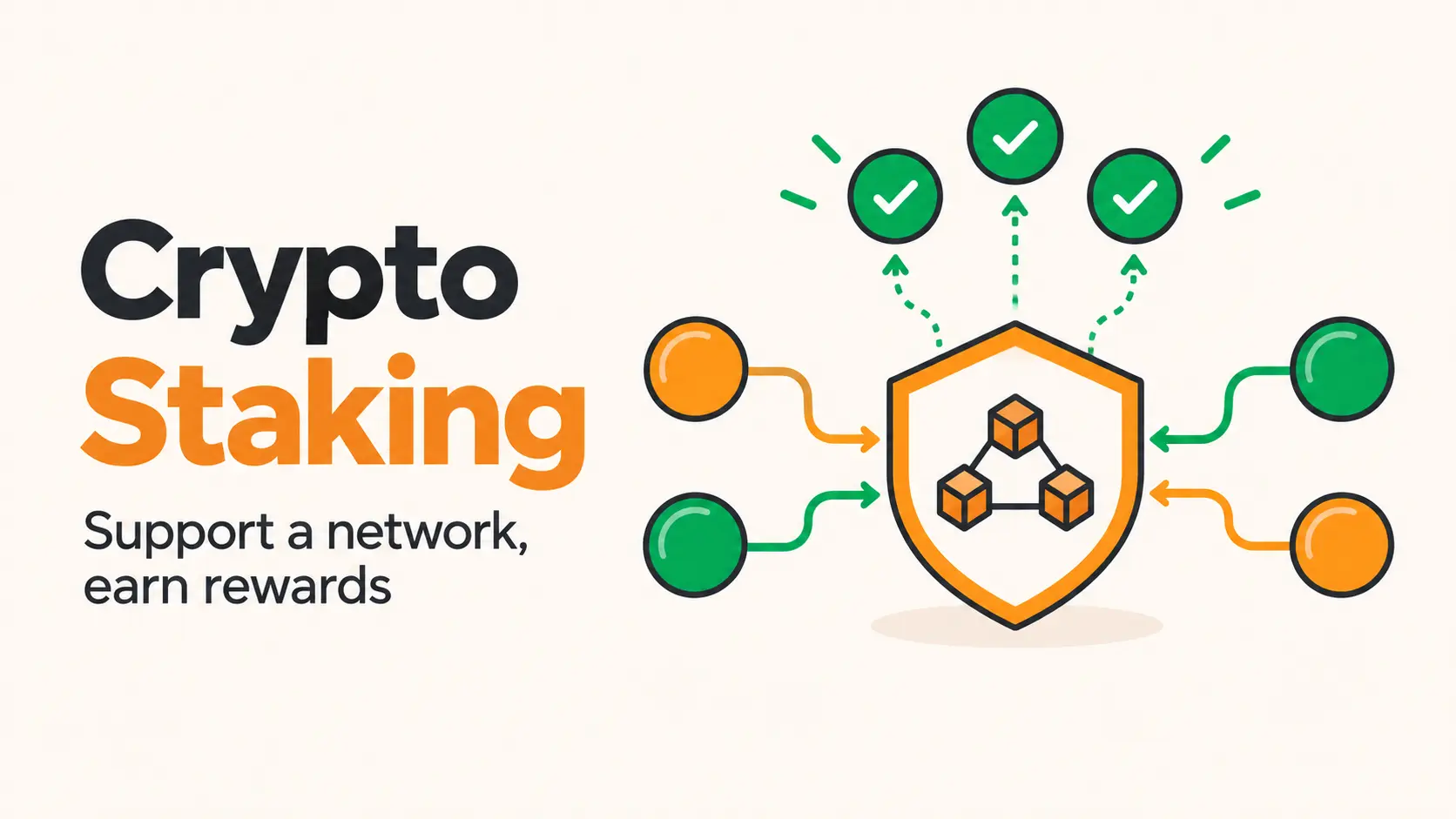
Staking means committing eligible tokens to help support a proof-of-stake blockchain. Validators use staked assets to verify transactions and maintain the network, while participants receive rewards in return. Today, staking has become much easier, and you do not need DeFi knowledge or the capital to run a validator yourself to take part. Ethereum staking platforms, for example, can let you stake ETH through a pool or delegated service while it handles the technical side.
Staking also includes delegation, pools, exchange staking, and liquid staking options. It works well for assets you already plan to hold, since rewards are usually paid in the same token. However, the token’s market value can still fall, and some staking options may restrict when you can withdraw.
Staking Pros and Cons
Beğendiğimiz yönler
- Regular token rewards
- Supports network security
- Low daily involvement
Eksik yönleri
- Token price can fall
- Exposed to hacks and exploits
3. Bot Trading
Best For: Automated trading setups
Difficulty: Medium
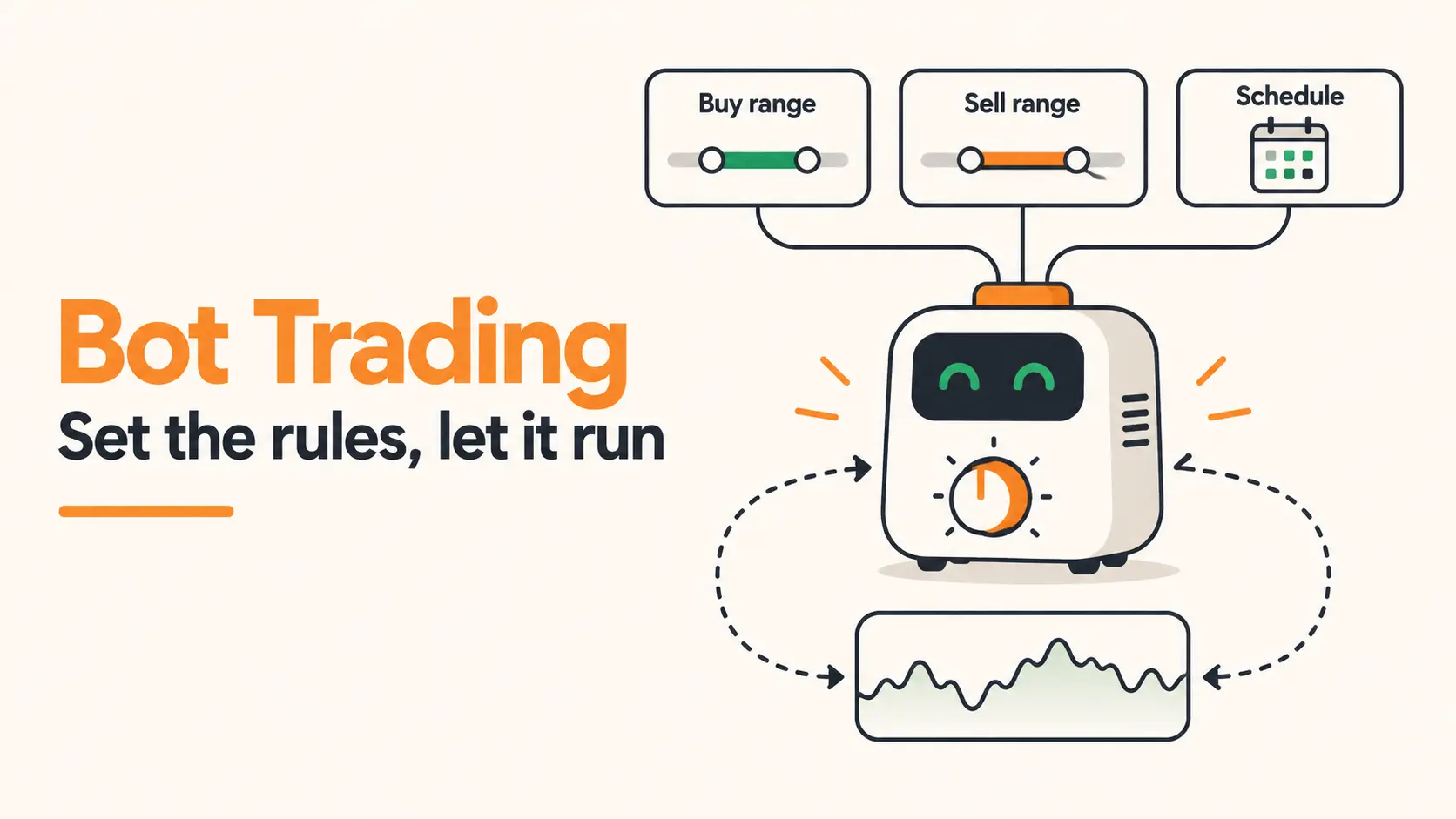
Bot trading uses software to open, manage, and close trades according to preset rules. Grid bots place orders within a selected price range, while DCA bots spread purchases over time instead of buying everything at one price. Many platforms that offer automated bot trading include templates, allowing users to select a strategy and adjust details such as investment size, price range, or leverage.
Once configured, the bot can run continuously without needing daily input. However, it does not think for itself or adjust to every market shift. A bot follows its instructions, so an unsuitable strategy, high fees, or volatile market can still lead to losses.
Bot Trading Pros and Cons
Beğendiğimiz yönler
- Runs around the clock
- Follows preset rules
- Removes emotional decisions
Eksik yönleri
- Poor settings cause losses
- Market structure change can change a bots profitability
4. Liquidity Farming
Best For: Experienced DeFi users
Difficulty: Medium
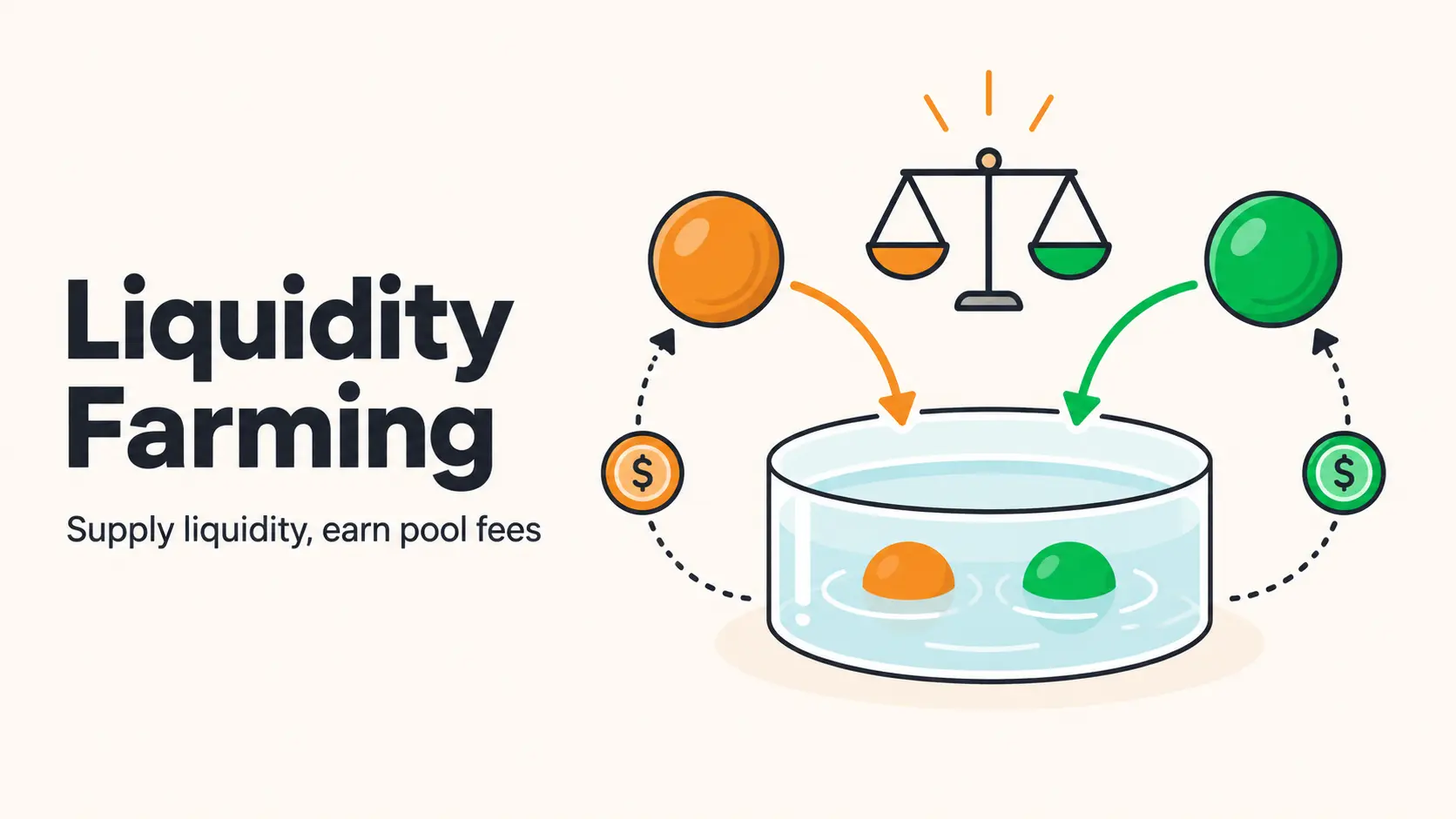
Liquidity farming involves depositing crypto into a decentralized exchange or DeFi pool so other users can swap or borrow those assets. In return, liquidity providers receive part of the trading fees, interest, or extra token rewards offered by the protocol. Some pools accept one asset, while others need two assets in a fixed ratio, such as ETH and USDC.
After depositing, rewards can accrue without regular action from you. The important part is knowing how the pool works before entering it. In two-token pools, price changes between the assets can create impermanent loss, meaning the deposited position may underperform compared with holding the assets separately.
Liquidity Farming Pros and Cons
Beğendiğimiz yönler
- Earns trading-fee share
- Extra rewards possible
- Fully on-chain access
Eksik yönleri
- Impermanent loss risk
5. Crypto Lending
Best For: Idle crypto holdings
Difficulty: Easy
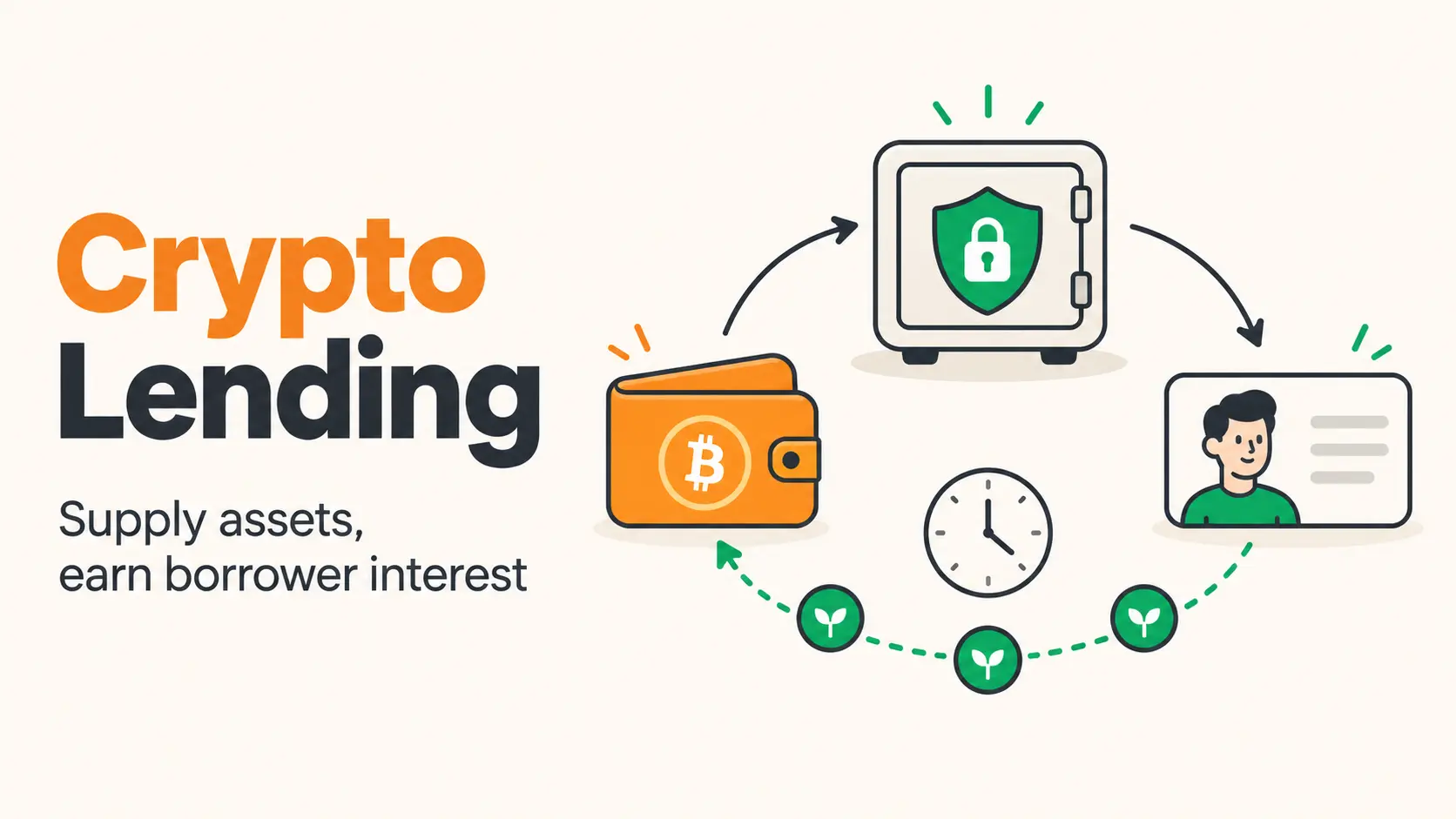
By depositing crypto into a lending platform or protocol, you can earn a share of the interest paid by borrowers who use that liquidity. With DeFi Lending, this process is handled through smart contracts rather than a central company, with rates usually rising when demand to borrow is higher and falling when more funds become available.
Stablecoins are commonly used because their price is designed to stay close to one dollar, although depegs can still happen. Before depositing funds, it helps to know whether you are using a custodial lender or a self-custodial protocol, as the risks and withdrawal process differ.
Crypto Lending Pros and Cons
Beğendiğimiz yönler
- Interest accrues automatically
- Stablecoin options available
- Minimal daily involvement
Eksik yönleri
- Platform risk remains
6. Crypto Savings Accounts
Best For: Simple platform rewards
Difficulty: Very Easy
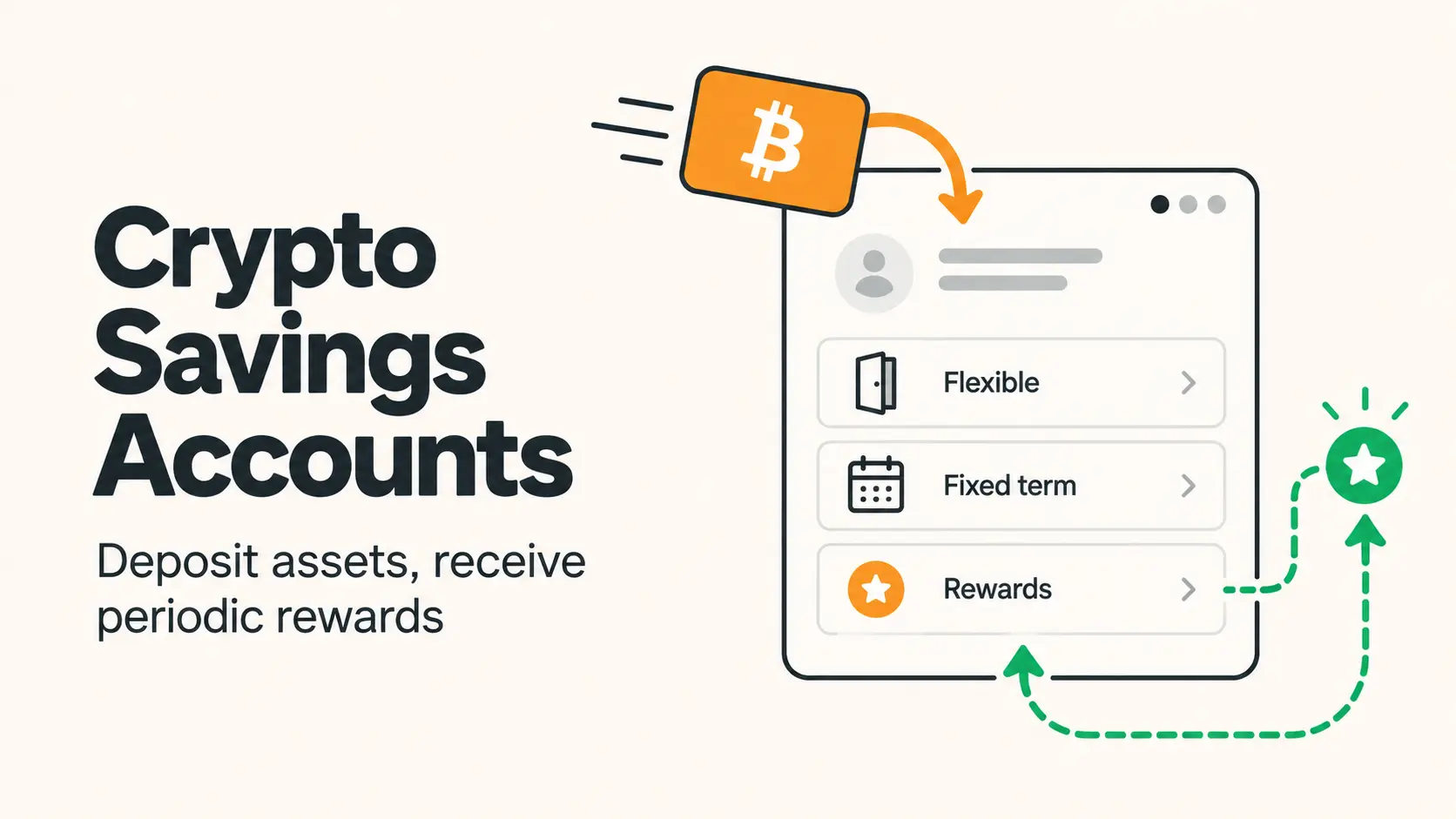
For people who want a simpler setup, crypto savings accounts let you deposit supported crypto or stablecoins and receive periodic rewards based on the platform’s terms. Unlike DeFi lending, exchanges with yield products handle everything inside one account, so users do not need to connect a wallet, approve transactions, or pay gas fees.
Flexible products usually allow withdrawals at any time but may pay lower rewards. Fixed-term products can offer a higher rate in exchange for locking assets for a chosen period. It is one of the easiest passive methods to set up, though the platform retains custody of the deposited funds.
Crypto Savings Accounts Pros and Cons
Beğendiğimiz yönler
- Very simple setup
- No wallet required
- Flexible terms available
Eksik yönleri
- Platform holds funds
7. Dividend-Earning Tokens
Best For: Passive token rewards
Difficulty: Easy
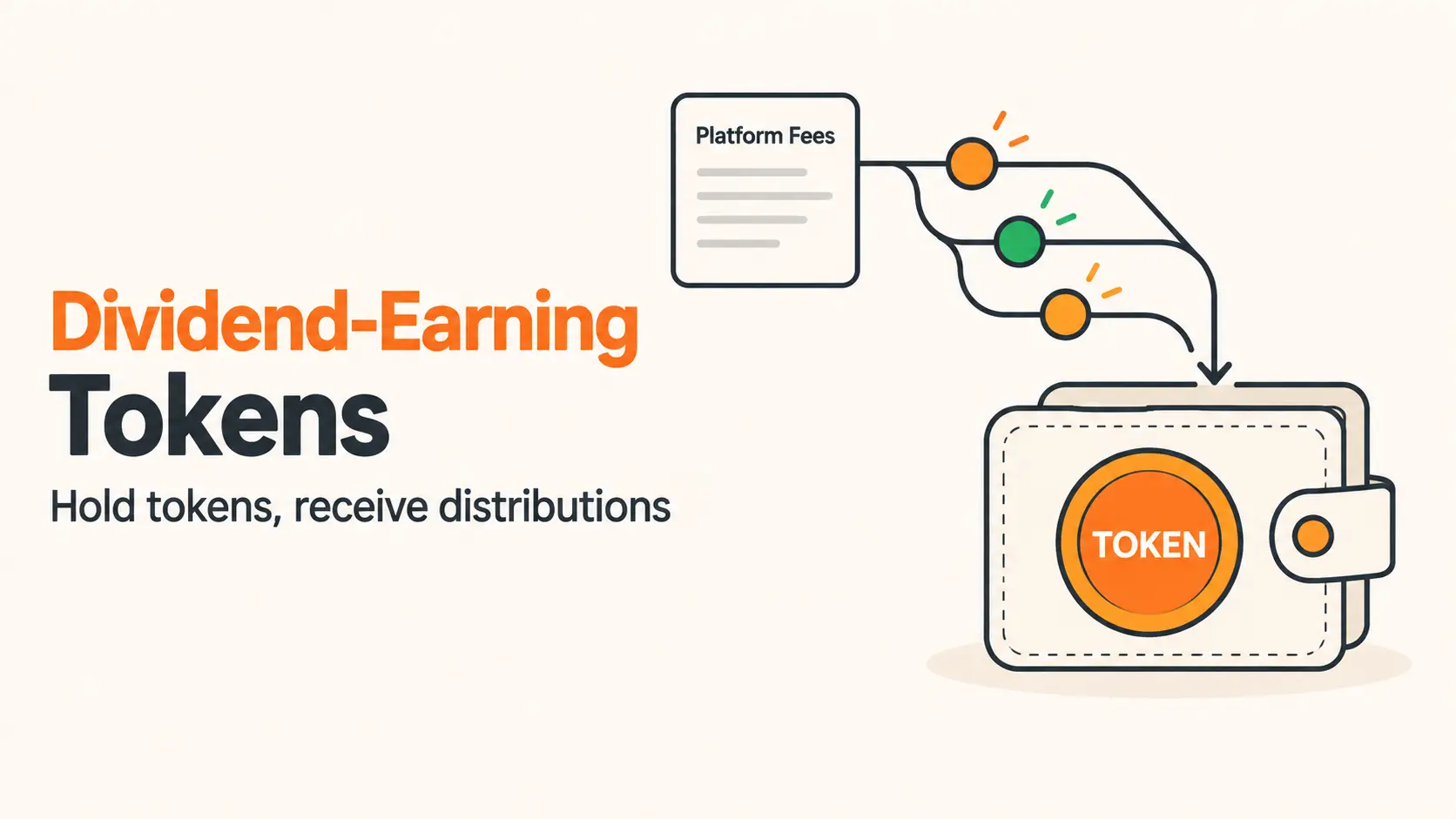
Some crypto tokens give eligible holders a share of a platform’s revenue, trading fees, or other rewards. These are known as dividend-earning tokens, although their payout model differs between projects. Some distribute crypto directly to holders, while others use buybacks, token burns, or reward systems linked to platform activity.
Eligibility varies: you may need to stake or lock the token, hold it in a specified account, or claim rewards. Buybacks and burns do not pay cash or tokens directly to every holder. Binance soft earn is slightly different, since it pays rewards for depositing supported assets rather than holding one revenue-sharing token. Both approaches can be hands-off after setup, but returns are not fixed and can change with platform activity or token demand.
Dividend-Earning Tokens Pros and Cons
Beğendiğimiz yönler
- Potential share of platform revenue
- No active management
- Eligibility depends on the token
Eksik yönleri
- Rewards can change
How Much Can You Earn?
There is no fixed amount, because your earnings depend on how much you deposit, the method you choose, and the reward rate available at that time. A 5% annual reward on $1,000, for example, comes to around $50 a year before any changes in the asset’s value.
Higher reward rates can look attractive, but they often come with more risk, longer lock-up periods, or exposure to less established tokens and protocols. It is also important to separate the rewards earned from the market value of the crypto itself. You may receive more tokens over time, but if that token’s price falls sharply, the value of your holdings can still decline.
Risks of Crypto Passive Income
Every passive-income method comes with its own trade-offs, so it helps to understand these risks before deciding where to place your funds.
- Market volatility: Your rewards may not offset a falling token price.
- Platform failure: An exchange or lender can freeze withdrawals or shut down.
- Smart-contract risk: Bugs or exploits can affect funds held in DeFi protocols.
- Stablecoin depegs: A stablecoin can lose its intended dollar value.
- Impermanent loss: Liquidity pools can underperform simply holding the assets.
- Changing reward rates: APYs can fall as demand, liquidity, or platform terms change.
- Lock-up periods: Some products limit access to your funds temporarily.
- Scams and fake platforms: High return promises are often used to attract deposits.
Is Crypto Passive Income Worth It?
Crypto passive income can make sense when you understand where the returns come from and are comfortable with the risks tied to that method. It can be a way to earn on assets that would otherwise sit idle, whether through staking, lending, savings products, or a more involved DeFi setup.
Still, passive does not mean guaranteed. The best setup is not always the one showing the highest rate, because a reward only matters if you can understand the asset, access your funds when needed, and accept what could go wrong.
Bottom Line
Crypto passive income gives holders a way to earn from assets without actively trading every day. Staking, lending, savings accounts, copy trading, bots, liquidity farming, and dividend-earning tokens each work differently, with their own reward structure and risks. The main difference comes down to where the returns come from, how much control you retain over funds, and how hands-off the setup really is. Compare the withdrawal rules and the source of each reward before depositing. Automated trading still needs monitoring and can lose the capital allocated to it.
FAQs
Every method carries risk, from token-price drops to platform or smart-contract failures. Automation does not protect the money you invest.
Staking established assets and exchange savings products are generally simpler, but neither is risk-free.
Yes. Lending, savings accounts, copy trading, bots, liquidity farming, and dividend tokens are alternatives.
Tax treatment varies by country and product. Rewards may be taxable when received, and a later sale can create a separate gain or loss. Keep records of both; US readers can consult the IRS digital-assets guidance.